
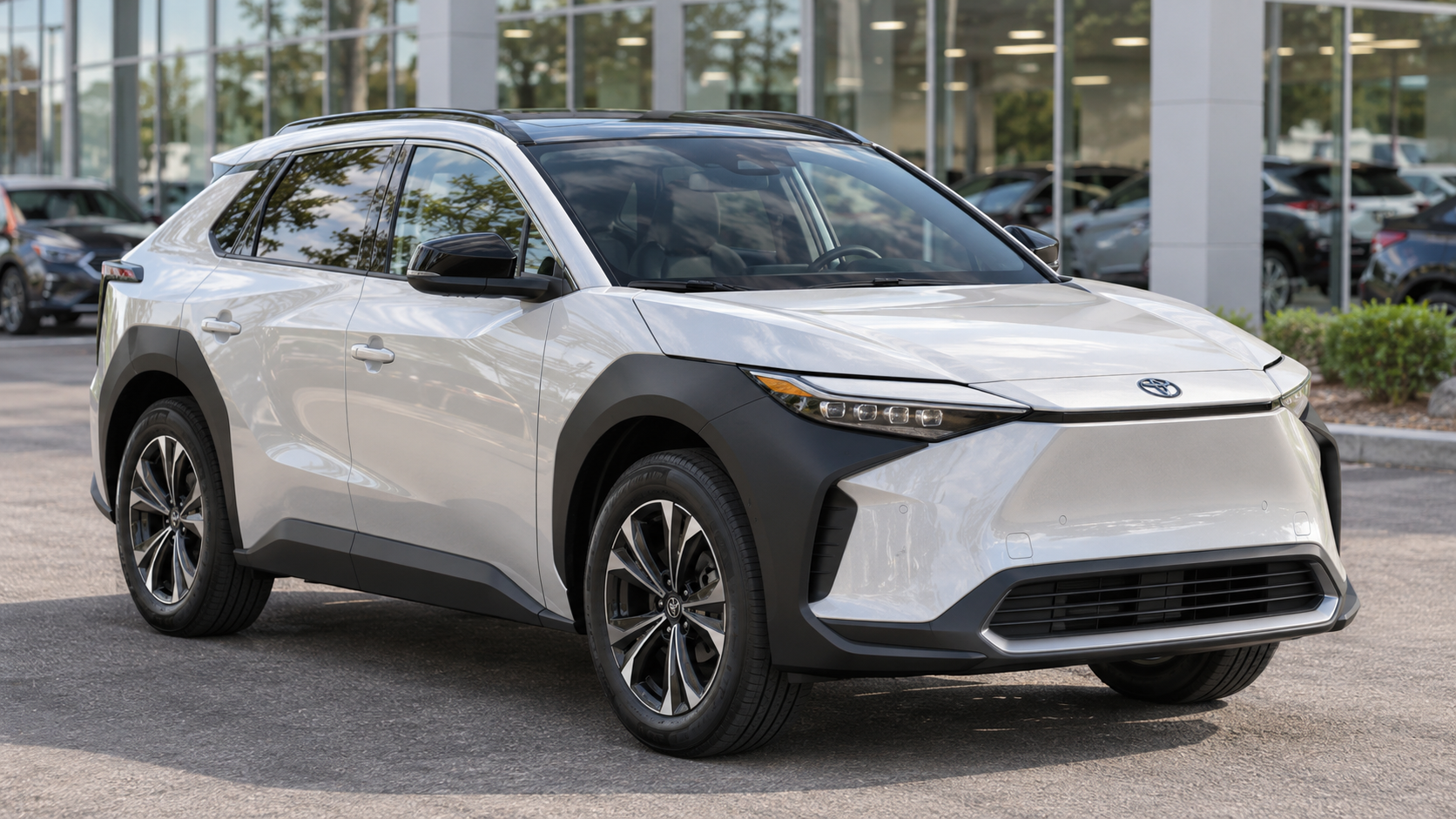
The bZ4X makes sense to evaluate around the trips you make every week. Start with your round-trip distance and the number of nights you can plug in. A car that can recover an ordinary commute overnight may fit well even if a longer holiday route needs more planning.
Compare front-wheel-drive and all-wheel-drive listings by model year. Confirm the quoted range and charging details for that specific configuration rather than relying on a generic bZ4X listing. On the drive, check how the instrument cluster looks with the wheel adjusted to your position. Try the parking cameras and load your usual luggage.
Ask the dealer for the VIN, service history and status of any applicable recalls. If you depend on public charging, identify stations you can use near home and on your longest routine trip. Compare the car’s actual charging experience with the time you are comfortable spending at those stops.
Check the bZ4X on the route you actually drive
The easiest bZ4X comparison is between two specific listings with the same year and a clearly stated drivetrain. Bring the route you drive in the coldest part of the year and check the charging assumptions for that configuration. If you have to stop at the same station on the way home each week, try to visit it at the hour you would normally arrive. That exercise will tell you more about convenience than a showroom conversation about advertised range. Spend the rest of the test drive checking sightlines and getting comfortable with the instrument display.
Work out your charging week
Sketch a normal week before discussing range with the salesperson. Add the miles from work, shopping and any regular evening trips, then mark the nights when the vehicle can actually remain plugged in. If your parking space is shared, check the hours when you can access the charger and whether a session needs to be booked. For a home installation, ask an electrician about the actual parking location and cable route. The question is how much driving you can replenish during your available window. That number gives you a better comparison than a single full-charge range estimate.
Plan a long trip before you buy
Pick one return trip you actually make, including the colder season if that matters in your area. Choose a charging stop and an alternative in case it is busy or unavailable. Check the connector on the specific car, the networks it can access and whether an approved adapter is needed. Build in enough time for breaks and leave a reserve for a detour. If you can test a charging session with the dealer, watch how the session starts, how the car reports charging progress and how the cable releases. The routine should be manageable without relying on one ideal stop.
Ask for evidence about the battery
A dashboard range estimate is influenced by conditions and recent driving. It can help you notice changes during a drive, but a single reading does not provide a capacity measurement. Ask whether the seller can share a diagnostic report for the VIN, when it was run and what the result measures. Look for service history involving the battery or charging system and ask who completed the work. If the seller cannot supply a battery assessment, consider an inspection by a shop familiar with the model before committing. Keep that cost in mind when comparing similar listings.
Make the test drive repeatable
Ask the dealer to leave enough time for a drive that covers a parking lot, a rough city street and a faster road. Begin with the radio off and the climate fan low. Note where a noise happens rather than trying to diagnose it while driving. A sound that changes with speed deserves a different follow-up from a rattle that appears only on broken pavement. Park at the end and repeat the maneuver with the cameras and mirrors you expect to use. Write down the conditions so a second drive can confirm your impression.
Review warranty and service access
Request the original in-service date, current mileage and written details of any remaining coverage. Ask which terms apply to the battery and which apply to other components. If the car is advertised as certified, ask for the inspection report and the actual warranty document. Check who can do the work near you and whether any visit requires an appointment well in advance. A service center that is inconvenient to reach can change how you value a cheaper vehicle. Keep the answers with the VIN and ask the dealer to resolve any gaps before you sign.
Check the handover items
Before taking delivery, ask the dealer to demonstrate both keys, the charge-port release and the controls you will use on the first trip home. Confirm which cables, adapters and manuals are included. Ask how any previous owner account is removed and how you can pair the car with your phone, where applicable. Save the service paperwork and any written promises in one place. Give yourself time to set the charge schedule and practice connecting at home before a busy morning. The best handover leaves you able to park, lock and charge the vehicle without guessing.
Compare written prices on equal terms
Request a written out-the-door quote before comparing cars. Ask for the vehicle price, dealer charges, optional products and taxes as separate lines. A quote that bundles a service plan or financing incentive may look attractive until you compare the same purchase terms. Keep a separate allowance for known expenses such as tires, a spare key, charging equipment or a pre-purchase inspection. Write down what the seller has agreed to fix and when. Two examples with similar advertised prices can leave you with different immediate costs, and those differences are easier to see on one page.
Use this article responsibly
Model-level commentary is not a live stock offer, a battery test result or destination approval. Request VIN-linked evidence and a dated written quote before buying.
Editorial sources and correction policy · Vehicle evidence and quotation checklist · Source-linked buyer guides