
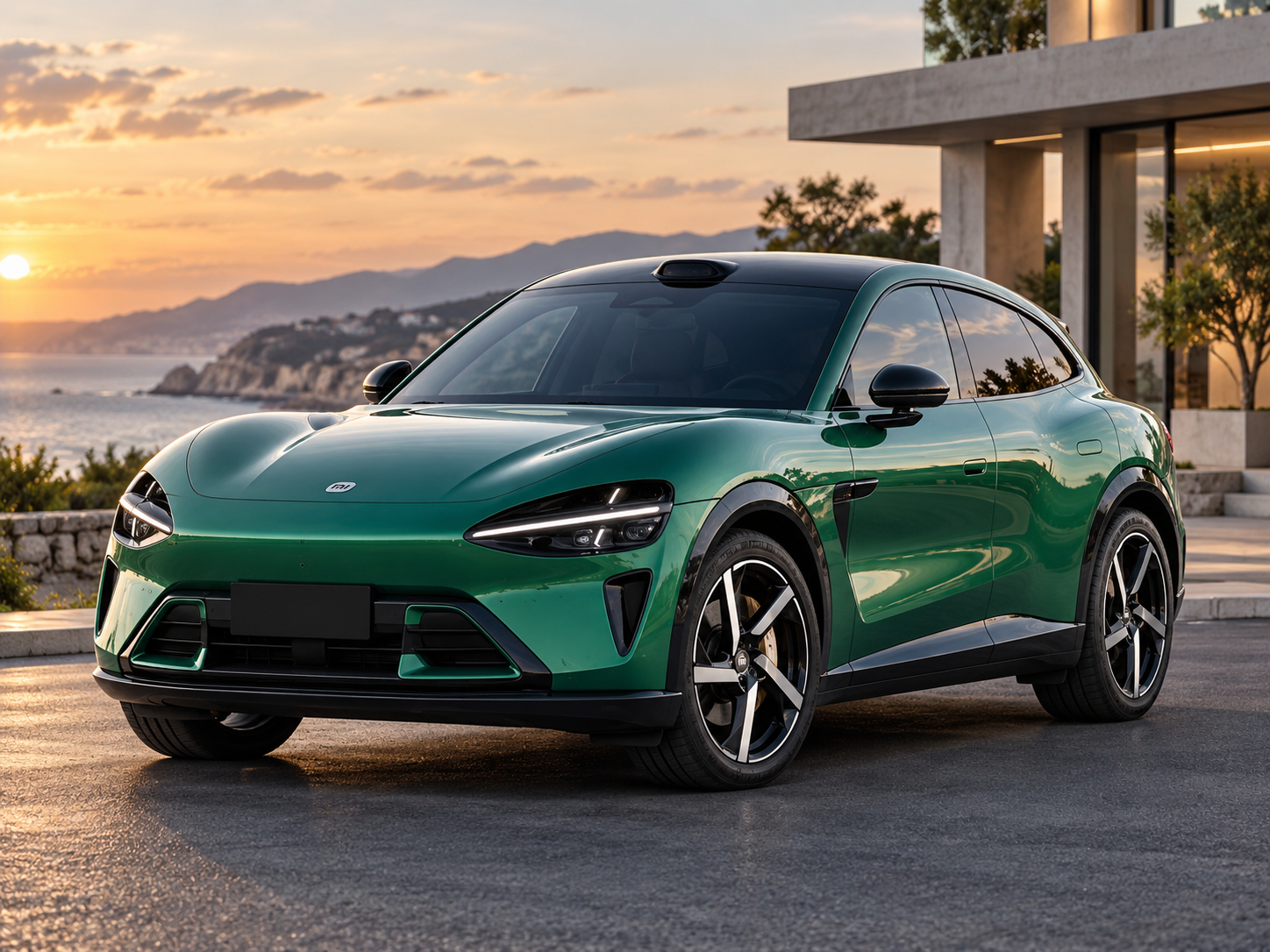
Xiaomi’s YU7 became one of the most watched Chinese electric SUVs immediately after launch. The combination of long range, high charging performance, Xiaomi’s consumer-tech ecosystem and strong brand attention created unusually tight supply in the first phase. By the second half of 2026, however, the used market is showing a more normal spread of prices as production and second-hand availability improve. From scarcity premium to real depreciation The most important change is psychological. At launch, long delivery times and strong demand allowed some nearly-new cars to command unusual premiums. As supply becomes less constrained, buyers can focus more on normal used-car fundamentals: age, mileage, accident history, battery condition, tire wear, software version and warranty status. That is healthier for exporters because acquisition prices become easier to model. Why the YU7 is especially interesting for overseas buyers The YU7 is a large, high-performance electric SUV with long official range figures and an advanced 800V-class charging architecture. These attributes fit the preferences of many premium used-EV buyers in the Middle East, Eastern Europe and other markets where Chinese EVs are gaining visibility. The main complication is software and ecosystem localization: Xiaomi’s strongest domestic advantage is its connected smart-device environment, and not every service will necessarily work the same way after export. Used-EV / Export Watch: Treat 2026 used-price reports as snapshots, not a single “market price.” Verify VIN-level configuration, production date, battery chemistry/capacity, option packages and current new-car promotions before deciding a target purchase price.
Blog takeaway: The YU7 is moving from a launch-scarcity story toward a conventional used-EV story. That transition can create better sourcing opportunities, but the wide spread in reported prices means professional buyers should rely on live listings and transaction evidence rather than one headline number.