
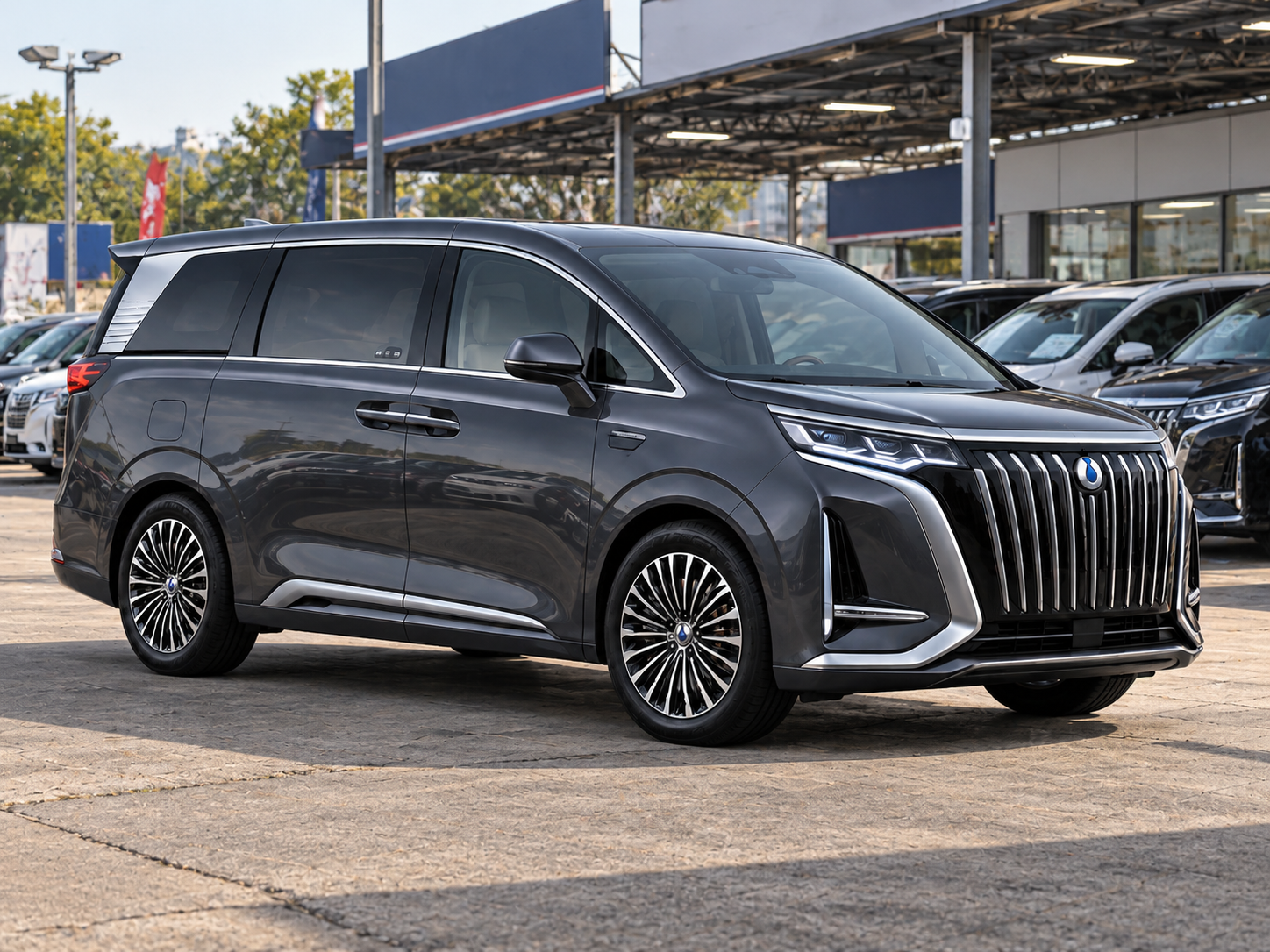
Used electric vehicles are no longer depreciating according to a simple age-and-mileage curve. In 2026, the price of a used EV can change quickly when a manufacturer cuts the price of a new model, introduces a larger battery at the same price, or launches a significantly faster charging system.
The International Energy Agency reports that used electric-car sales across China, five major European markets and the United States exceeded three million units in 2025, around 35% higher than in 2024. At the same time, residual-value pressure remained significant. In China, three-year-old electric cars retained about 46% of original value in 2024 versus roughly 55% for the overall used-car market, while average BEV and PHEV resale values fell to about 42% by late 2025.
This is especially relevant for premium Chinese vehicles such as Lynk & Co 900, ZEEKR 9X, Li Auto L9 and Xiaomi YU7. Their rapid technology cycles are a selling point when new, but they can also accelerate depreciation of the previous hardware generation. A buyer sourcing nearly-new stock therefore needs to monitor the current new-car transaction price before every purchase.
For exporters, the safest approach is to value the exact trim, battery size, charging architecture, driver-assistance hardware and software region rather than relying only on model year and mileage. A low-mileage vehicle can still be overvalued if a refreshed model has already changed the market benchmark.
Market source / further reading