
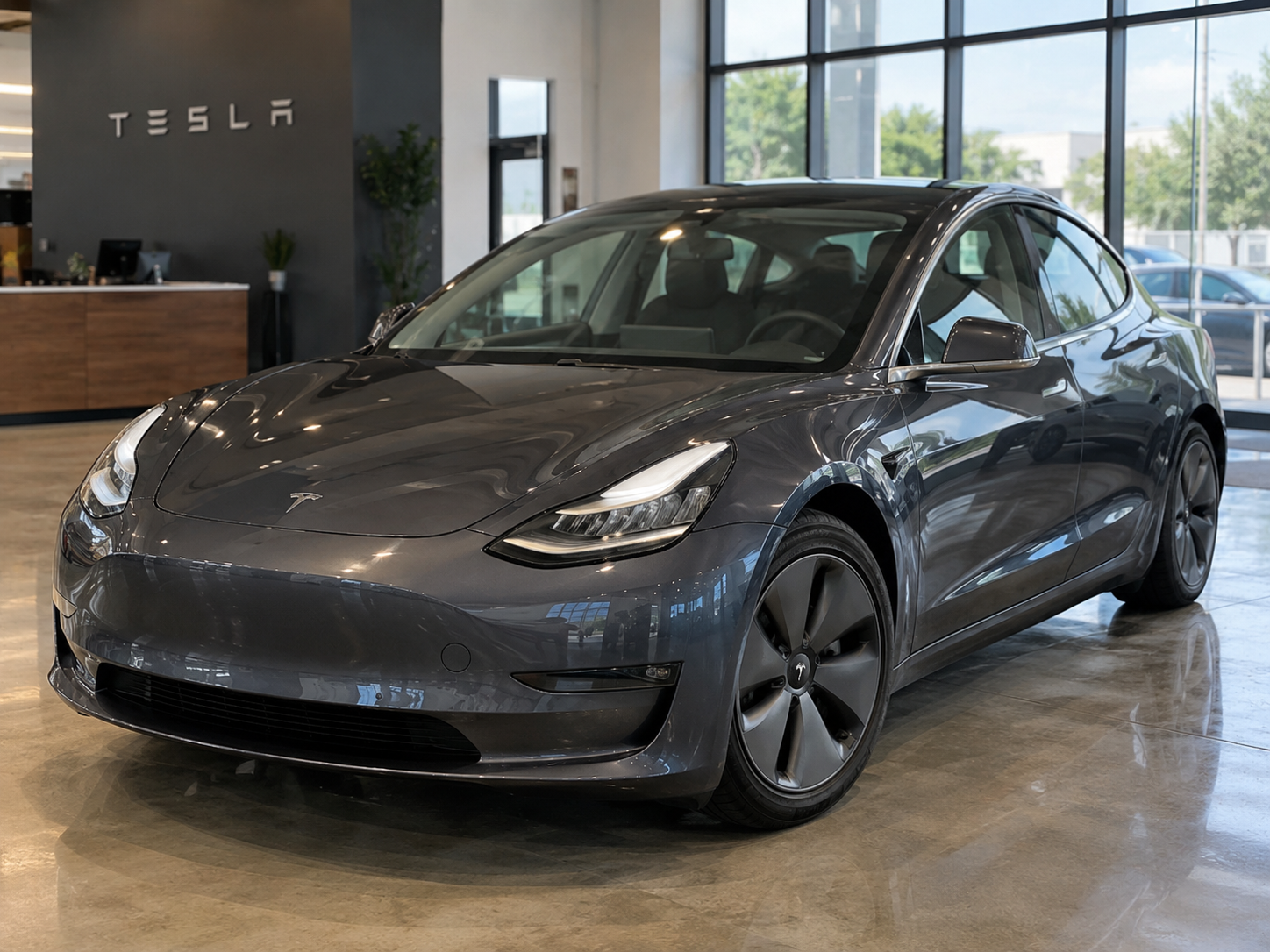
Overview and positioning
The Tesla Model 3 is an interesting candidate in the 2026 used-electric-vehicle market because it combines efficient sedan with established charging ecosystem. For a customer shopping beyond new-car sticker prices, the relevant question is whether a specific used example offers the right mix of residual value, charging convenience, condition and daily usability. A clean ownership trail and a transparent battery report are usually more persuasive than a long feature list.
What the 2026 market data indicates
Auto Trader reported 17 days to sell for 5–10-year-old Model 3 cars and 19 days for 3–5-year-old examples in July 2026, supporting a relatively liquid secondary market. These are UK-focused indicators, not evidence of identical trends in every country. Used-car retail velocity varies by mileage, local incentives, seasonal demand, financing and dealer pricing. International sellers should compare the same generation and variant in each destination market before claiming a model is a local best-seller.
Battery, range and charging considerations
The key technical distinction is configuration rather than badge alone. Battery and motor configurations vary substantially by year: Standard Range / RWD, Long Range and Performance. Advertised laboratory range cannot be assumed to equal winter motorway range or the result on an aged vehicle. Request a battery state-of-health assessment where available, record the test methodology, verify charging connector compatibility and ask for evidence of successful AC and DC charging. Power, usable capacity and charging curves must be taken from the exact vehicle identification and model year.
Used-car inspection checklist
Review service-mode alerts, high-voltage battery warranty, body repair history, suspension noise, glass roof and charging; check software/feature transfer and the vehicle’s market region. Also review title status, odometer consistency, accident and repaint records, tyre age, brake corrosion, underbody battery enclosure damage, safety-system faults, diagnostic trouble codes and remaining manufacturer warranty. A pre-purchase inspection by a qualified EV technician reduces avoidable surprises.
Dealer and export opportunity
Strong option for dealers needing recognizable inventory. Price by precise build year, battery type, actual equipment and accident history rather than the Model 3 name alone. For cross-border transactions, confirm homologation and registration eligibility, electrical and telematics compatibility, import duties, VAT, service-network access, consumer-protection obligations and any regional software restrictions before taking a deposit. Chinese-market and European-market versions of similarly named models should not be treated as interchangeable.
Buyer takeaway
A well-documented Tesla Model 3 can be easier to recommend than a newer car with uncertain battery health or repair history. The most credible listing explains what was tested, states what is not known and supplies current photographs, ownership documents, charging information and a clear landed-cost quote. Buyers should choose by actual vehicle evidence, not broad model-level rankings.