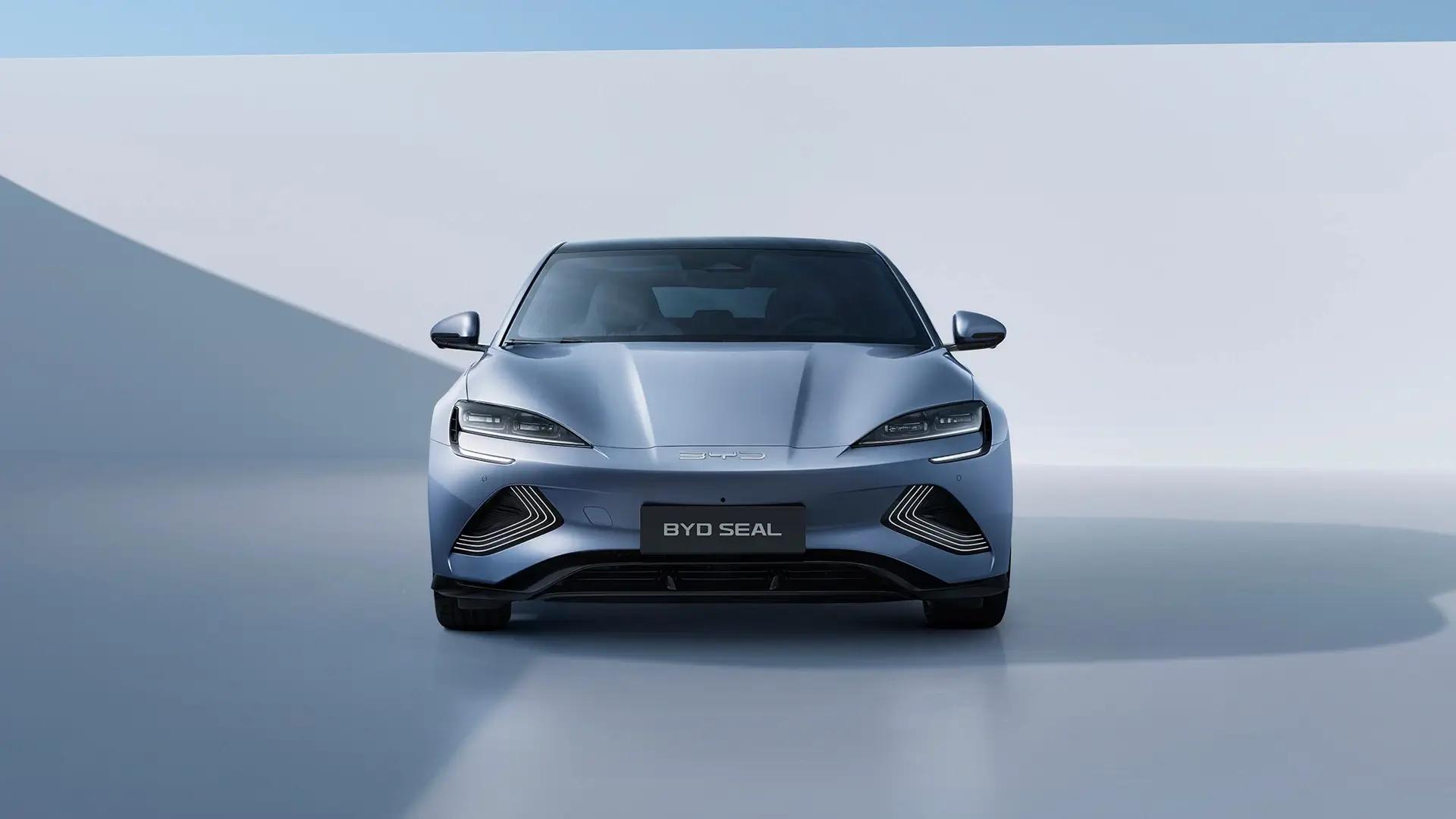
A major expansion in second-hand BEV transactions The UK Society of Motor Manufacturers and Traders (SMMT) recorded 110,761 used battery-electric car transactions in the second quarter of 2026, up 67.0% from the same period of 2025. Battery-electric vehicles reached a record 5.5% share of all used car transactions during the quarter, compared with 3.3% a year earlier. Overall UK used car sales totalled 2,009,318 in the second quarter, an increase of 0.7%. The used BEV market therefore outgrew the larger second-hand market by a considerable margin. The data point to increasing availability of used electric cars and wider buyer choice, not necessarily to demand for every model in equal measure. Why availability changes the market The second-hand market reflects decisions made several years earlier by fleet managers, leasing companies and private buyers. As new EV registrations mature into replacement cycles, more cars reach the used market with different battery sizes, charging capabilities and ownership costs. This can help make electric mobility accessible to buyers unwilling to pay new-car prices. However, nearly nine in ten used cars sold in the UK during the quarter were petrol or diesel. EV growth is impressive from a small base, while affordability, access to home charging and consumer confidence remain practical constraints. Dealers should avoid reading short-term growth as proof that every used-EV model is easy to sell. How buyers will compare used vehicles Price is only part of the decision. Most informed buyers will compare available battery health information, real-world motorway range, DC charging curves, insurance group, repairability, warranty support and the convenience of the vehicle’s charging plug. Used-car sellers benefit from publishing the full service record and disclosing outstanding manufacturer software updates. BYD Seal is an illustrative example of a modern Chinese electric sedan that international buyers may research. Vehicle year, market homologation and exact specification should be checked individually rather than assuming that a vehicle sold in China matches a UK-market example. A checklist for importers entering the UK market Before commercial imports, verify type approval or the applicable individual vehicle approval route, right-hand-drive buyer expectations, registration requirements, customs classification and taxes. Charging compatibility, approved lighting, software language and connected services can add cost after arrival. An importer should also model end-to-end landed cost: purchase, inland logistics, ocean freight, insurance, customs duty and VAT where applicable, compliance conversions, inspection, registration and warranty reserves. It is these delivered economics—not China purchase price alone—that determine whether a used import can compete with local trade-ins.
Insights
UK Used Electric Car Sales Surge: What the 2026 Market Means for Buyers
UK used electric car sales are surging, exploring what the 2026 market brings to buyers