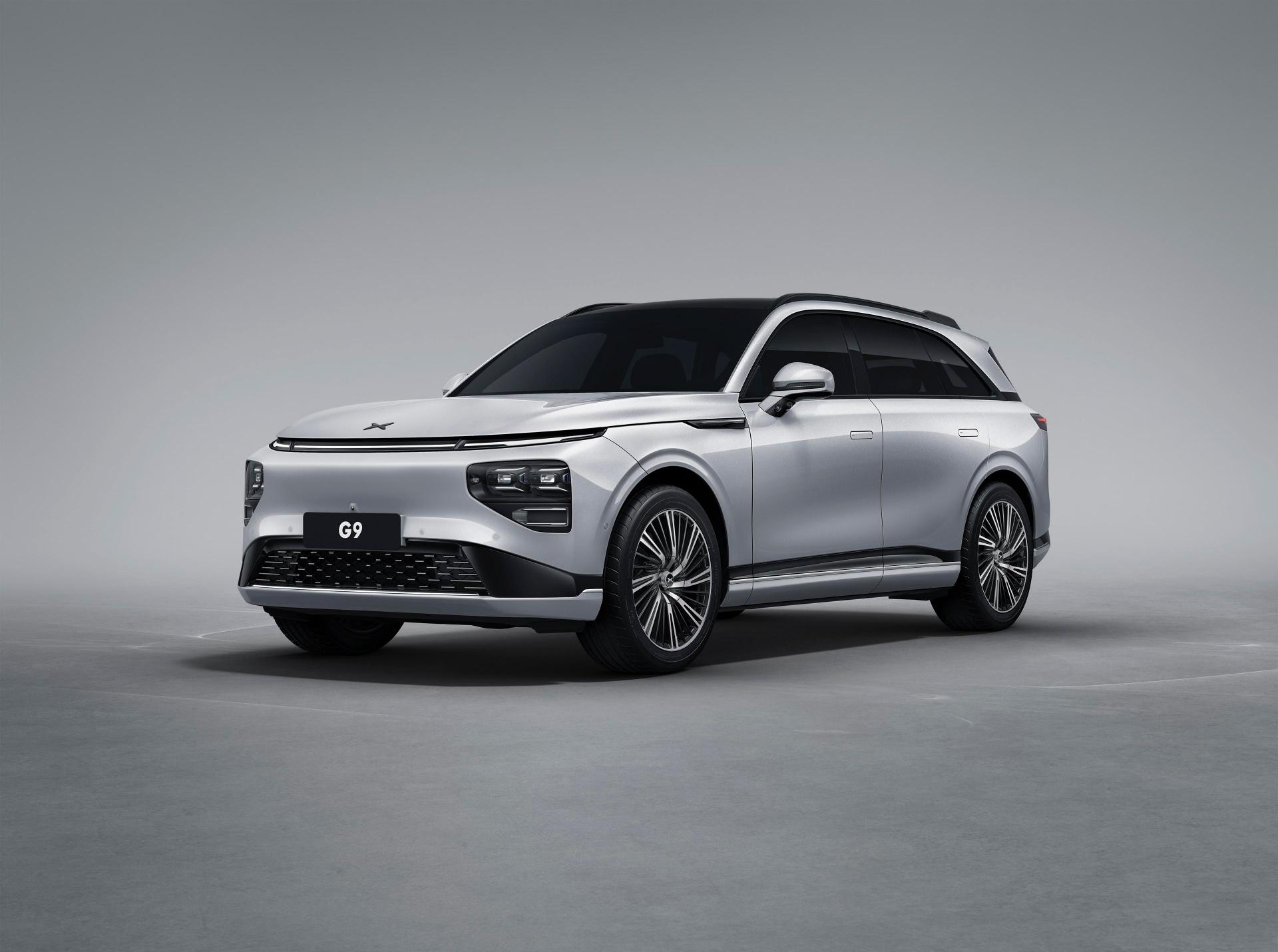
The market is growing, even when monthly sales fluctuate Cox Automotive reported an estimated 35,253 used EV retail sales in the United States in June 2026. That represented a 15.6% decline from May but a 20.3% gain over June 2025. The distinction matters: one weak month does not erase the longer-term development of a larger second-hand EV market. More off-lease cars and trade-ins create an expanding pool for cost-conscious buyers. Used EVs represented around 2.4% of the broader used-vehicle market in June. Tesla remained the largest brand through non-Tesla franchised and independent dealer channels, while Hyundai, BMW, Ford and Chevrolet added a wider selection of body types and price points. This breadth is important because adoption increasingly depends on matching real household needs rather than promoting EV technology alone. Price and inventory signals The average advertised used EV price reached $38,342 in June 2026, up 3.5% from May and 7% year on year, according to Cox Automotive. These are listing prices, not necessarily the final transaction prices paid by buyers. Product mix affects this average: a larger share of high-priced vehicles can push the headline number higher even without uniform appreciation across individual models. Used EV days of supply were approximately 38, up 17.6% month on month but 5.5% below the year-earlier level. For dealers, this suggests that increasing availability has been absorbed relatively efficiently. For purchasers, comparing battery condition, software support, warranty transferability and charging specifications is becoming more important than simply comparing model-year prices. What creates buyer confidence? Battery state of health (SOH), collision and flood history, high-voltage-system diagnostics, charging performance and recall status should form the basis of any serious pre-purchase inspection. A well-presented listing needs a clear VIN, actual odometer reading, trim, battery capacity, charging connector, warranty terms and a transparent explanation of any defects. For internationally sourced vehicles, additional checks are essential. A Chinese-market vehicle may not support the same charging protocol, navigation maps, languages, mobile applications or telematics services as a U.S.-market vehicle. Compliance with local import regulations must be established before any sales promise is made. Implications for professional exporters and dealers Rather than competing only on purchase price, exporters can create value through independently documented inspections, diagnostic reports and aftersales preparation. Inventory pages should distinguish stated manufacturer range from a realistic used-vehicle estimate, and clearly identify whether the vehicle is Chinese domestic or local-market specification. The U.S. growth figures describe the domestic used-EV market; they are not evidence that Chinese-market used EVs can freely enter the United States. Import restrictions, vehicle age exemptions, safety certification, tariffs and connected-vehicle rules make a separate legal assessment mandatory.
Insights
The U.S. Used EV Market in 2026: Growth, Prices and Buyer Demand
The US used EV market in 2026 covers growth trends, pricing and buyer demand