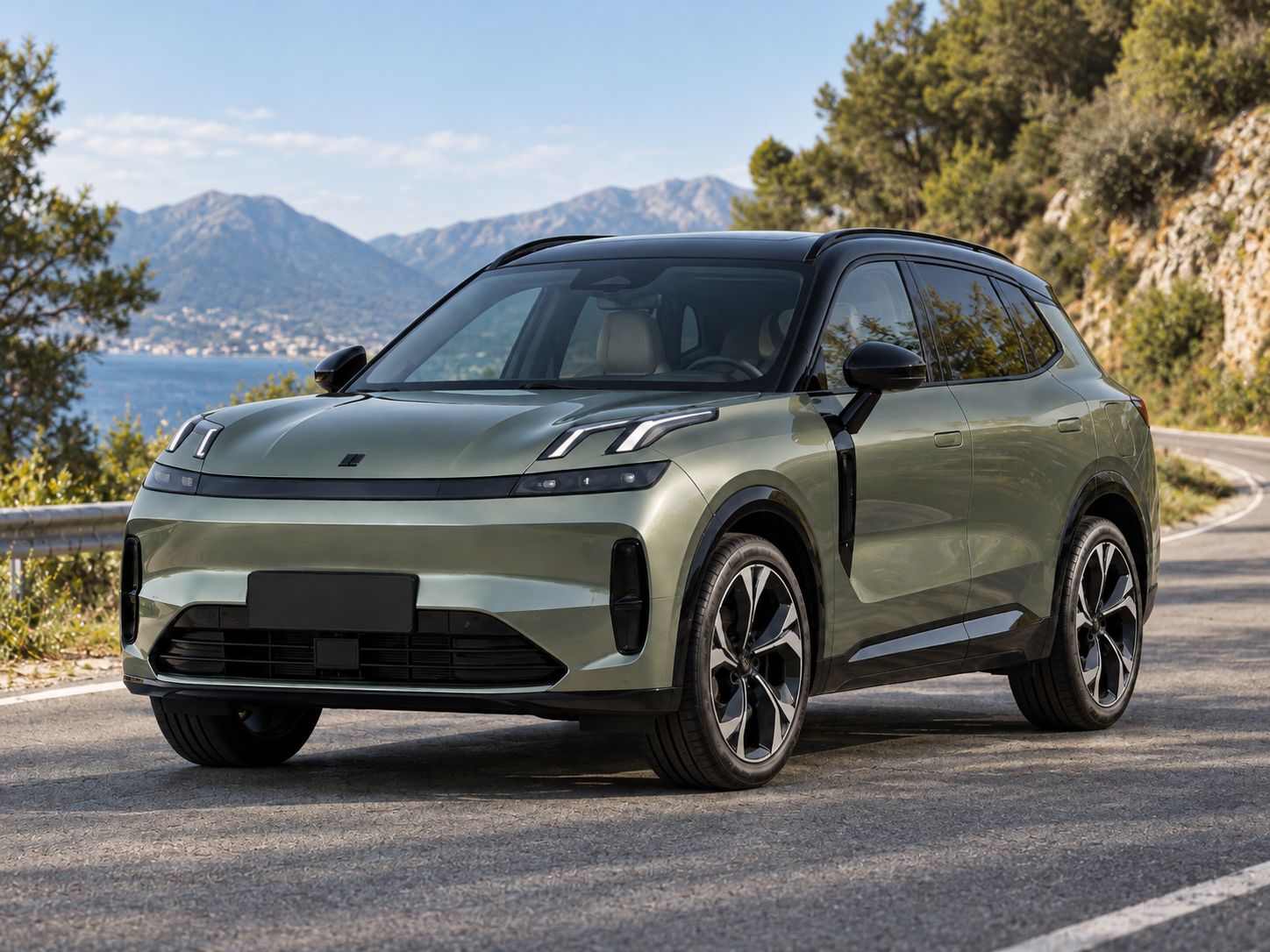
The opportunity extends beyond vehicle trading International interest in pre-owned electric cars creates opportunities for sourcing agents, logistics businesses, inspection providers and importers. But exporting a used EV is not equivalent to shipping a conventional car. Battery safety paperwork, charging compatibility, local registration, software services and workshop capabilities can all affect a buyer's decision. A scalable export business therefore needs documented procedures rather than informal promises about availability and price. Stage one: define an importable specification Before finding a car, define the destination market, preferred model and model year, steering position, battery size, charging connector, budget and intended use. Determine whether the buyer needs an EU-specification vehicle, evidence of previous registration, individual vehicle approval or additional technical changes. Particular attention should be paid to telematics, navigation, mobile connectivity, safety systems and whether over-the-air updates function outside the original market. Stage two: verify the specific vehicle A supplier quotation should identify the VIN, registration history, ownership and lien status where available, mileage, accident and repair disclosures, battery condition, number of keys, charging accessories and title/document status. Use independent inspection where feasible. For high-value vehicles, demand time-stamped photos and diagnostic screenshots rather than relying solely on catalog images. Confirm the car is legally available for export and that the seller has authority to transfer ownership. Stage three: build a real landed-cost quotation The advertised vehicle price is only the starting point. A sound quotation distinguishes vehicle cost, inland transport, port handling, freight, insurance, customs valuation, applicable tariffs, import VAT, testing or approval fees, registration and last-mile delivery. Battery-powered vehicle shipping requirements vary by condition, mode, carrier and route, so the freight forwarder should confirm acceptance and documentation. Duties on new and used cars may differ; no blanket tax rate should be assumed for every destination. Stage four: establish the post-delivery service plan A recurring importer needs an answer to practical questions: Who handles software updates? Can the vehicle be serviced by local independent garages? How are replacement parts ordered? What happens if a charger or control module fails? Which warranty terms apply, in which country and through which party? A supplier should set out these responsibilities in writing, including exclusions and response procedures. Reliable after-sales planning builds repeat business even when the supplier cannot deliver full manufacturer-backed warranty coverage. From one-off deals to repeat orders The operational advantage of a professional exporter is consistency. Standardize vehicle inspection files, translated specifications, shipping paperwork, photograph sets and buyer updates. Offer vehicles only after documenting country-specific registration and charging conditions. Repeating the same transparent process across models lets importers compare options and scale procurement without increasing compliance uncertainty at every shipment.
Insights
The Next Used-EV Export Playbook: Sourcing, Compliance and After-Sales Support for Global Buyers
The blog offers the playbook for exporting pre-owned electric vehicles, addressing sourcing strategies, compliance requirements and after-sales support to serve international buyers