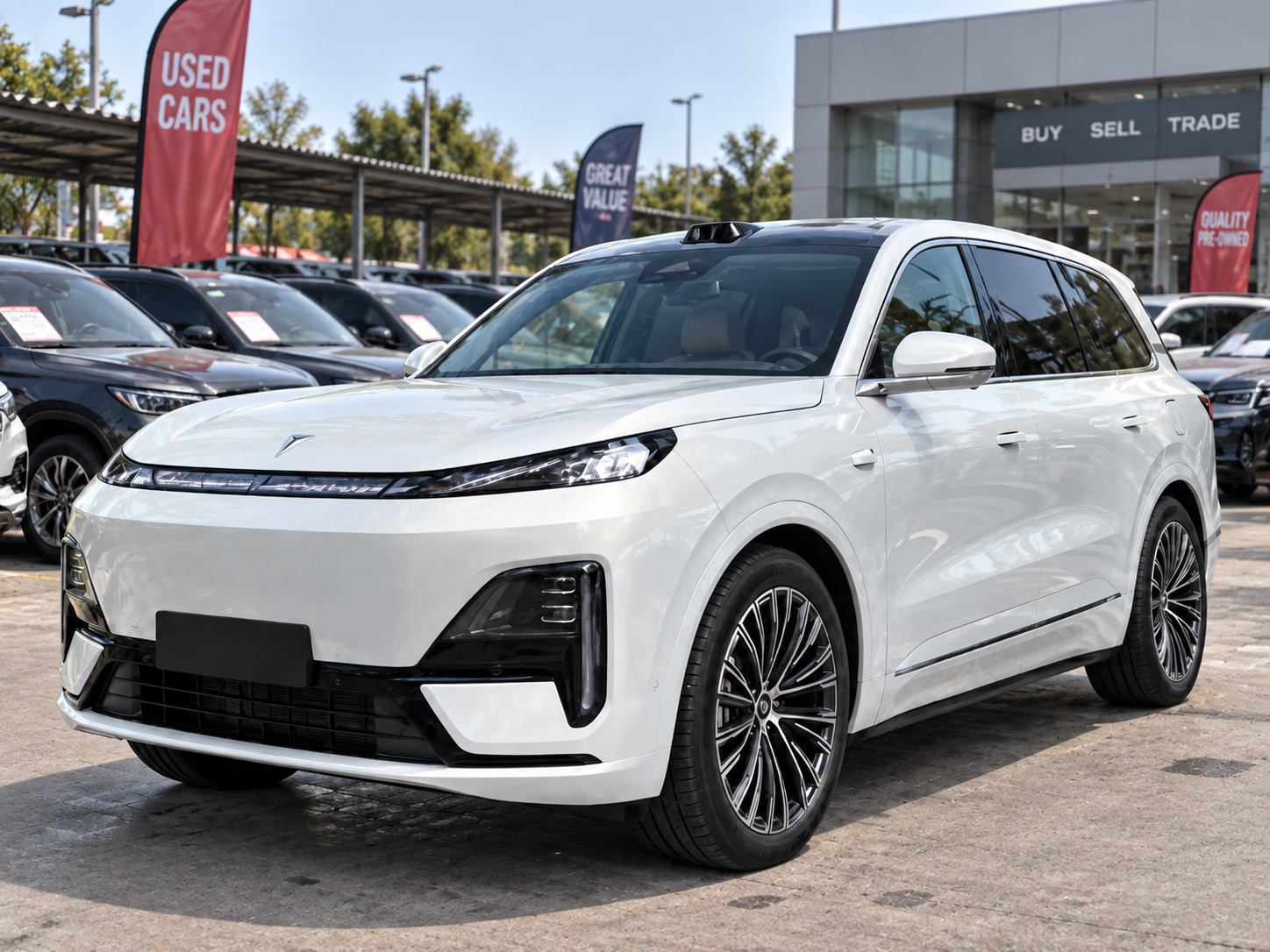
Market context The EV secondary market initially developed around a limited set of recognizable vehicles. As more manufacturers release electric cars and lease fleets mature, buyers increasingly compare vehicle classes and equipment instead of looking only at the pioneer brands. This diversification can make pricing more competitive and may open niches for importers with strong sourcing access. What the latest data tells us Recurrent reported that used EV retail prices in its observed market were about 8% higher year over year in its Q4 2026 buying report. The report also describes greater supply and sales activity, with Tesla accounting for less than half of used EV sales in the dataset. These are insights from its observed listings, not a census of every US transaction. What buyers and sellers should watch A more diverse market raises the value of transparent comparisons. Two cars advertised with similar battery capacity can perform differently in cold weather, at highway speeds or when fast-charging. Software language, connected-service availability, driver-assistance systems and app registration can matter almost as much as headline technical specifications. Implications for international trade GEVS-style exporters can build trust with standard specification sheets and realistic range discussions. Prioritize vehicles with documentable servicing, transferable support, approved charging solutions and accessible parts. Do not infer eligibility to enter North America or Europe from the fact that a model performs well in another domestic market. Practical checklist for importers and dealers Confirm the exact model, model year, VIN, mileage and accident history. Document battery health, charging standards, onboard systems and warranty limitations. Check destination compliance, import duties, taxation and availability of parts. Price against verified local comparable units and calculate full landed cost. Key takeaway This signals a more diversified second-hand market. Buyers may increasingly compare EVs from several manufacturers instead of evaluating Tesla alone. Data are drawn from dealer listings and do not cover all private transactions.
Insights
Recurrent Finds Used EV Prices Eight Percent Higher Year on Year
Recurrent’s research reveals that pre-owned electric vehicle prices are 8% higher compared with the same period last year