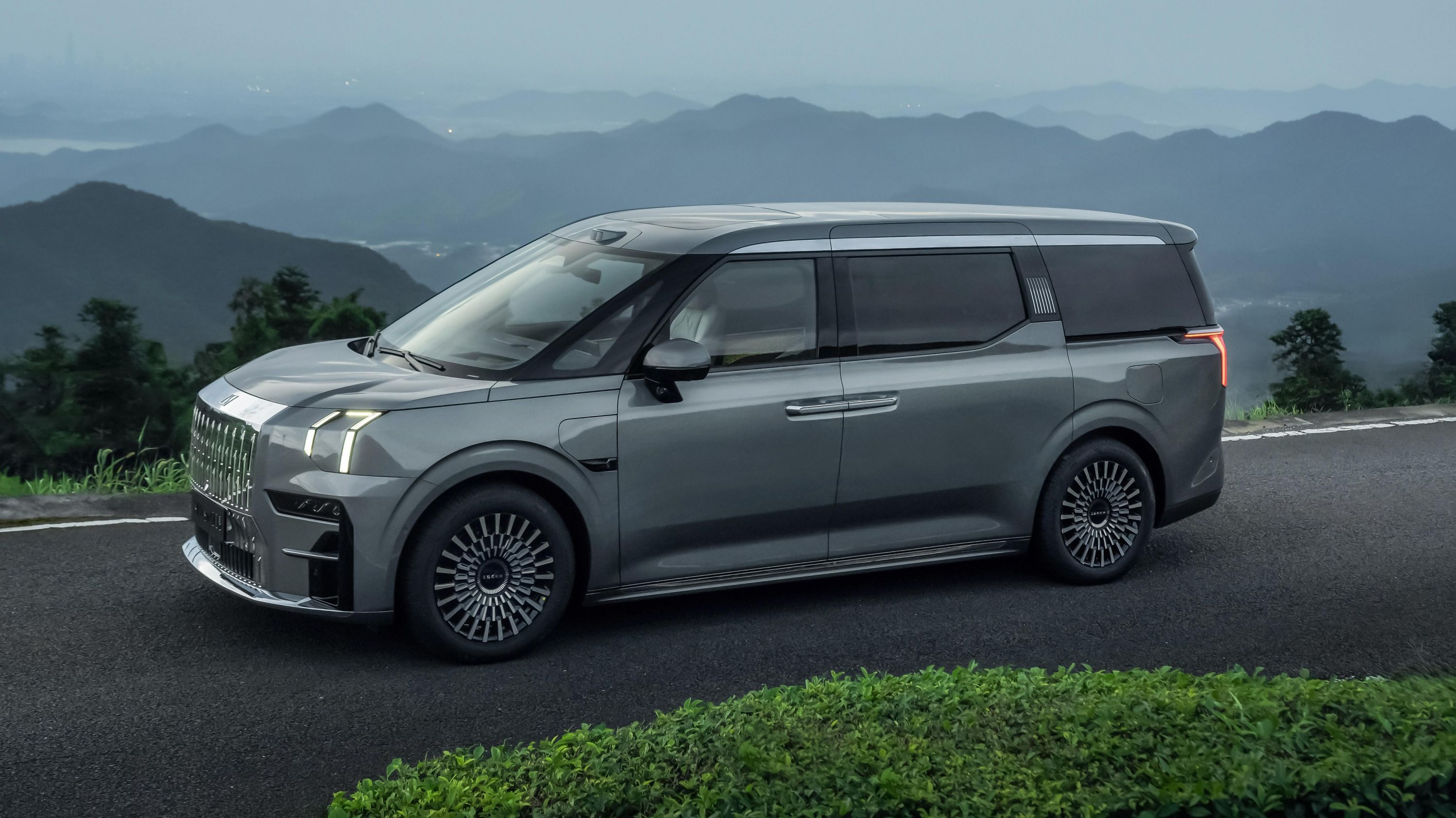
The policy change. China introduced stronger controls aimed at vehicles registered for fewer than 180 days and exported as used. Reporting by Reuters and AP described a requirement for manufacturers to provide after-sales information or guarantees for these very recent registrations. The measure targets the practice of exporting effectively new, near-zero-mileage vehicles through the used-car channel. Why it matters. For professional exporters, this is not simply an administrative burden. It creates a clearer distinction between a genuine used vehicle with an auditable history and a newly registered vehicle whose commercial status is ambiguous. Importers can use that distinction to reduce customs, warranty and reputation risk. A stronger sales file. A premium unit such as a ZEEKR 009, ZEEKR 9X, AITO M9 or DENZA D9 should be presented with the registration date, odometer evidence, VIN, ownership chain, inspection report, battery state-of-health reading where available, charging-port specification, accident and paintwork disclosure, and details of software language and connectivity. Photos should show the actual vehicle rather than only catalogue imagery. The market implication. Better documentation may add time and cost, but it also supports higher trust and more defensible pricing. In markets where Chinese premium EVs are still unfamiliar, a transparent condition pack can be as important as the vehicle specification itself. What this means for buyers and exporters Separate genuine used stock from low-mileage registered stock in every quotation. Build a standard export dossier before accepting a deposit. Confirm after-sales responsibility and spare-parts availability in the destination market.
Insights
New export rules are raising the value of verified used EVs
New export regulations push up market values for certified pre‑owned electric vehicles.