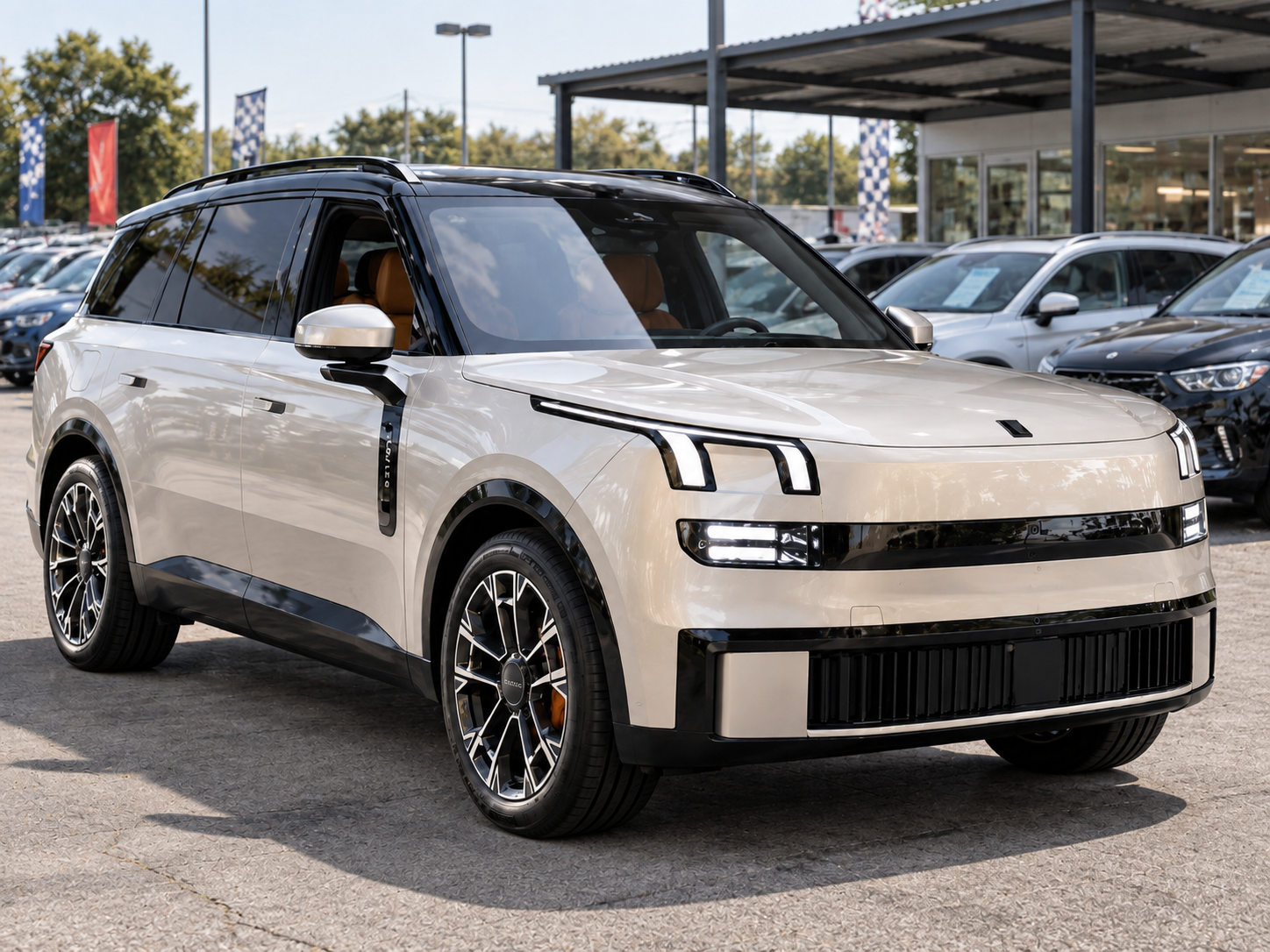
The line between a new car and a used car is becoming increasingly blurred. Demonstrators, dealer registrations, tactical registrations, short-term fleet cars and early trade-ins can place a newly launched vehicle into the secondary market only months after its debut. This is particularly important for fast-moving Chinese premium brands. The technology package can change significantly within a single model year. New batteries, 800V or 900V platforms, higher charging power, upgraded LiDAR systems and new cockpit processors can make an early production car feel older much sooner than its odometer suggests. Models such as Deepal S09, VOYAH Taishan and Lynk & Co 900 are good examples. They are highly competitive on specification, but the used-market buyer must identify exactly which hardware generation is being purchased. A nearly-new vehicle should not automatically command a high residual value simply because it has low mileage. For GEVS and other exporters, this creates opportunity as well as risk. A nearly-new vehicle bought at a substantial discount can offer excellent value in markets where the model is scarce. But the margin must be large enough to cover homologation, software, warranty, parts and resale-liquidity risk.
Insights
Nearly-New Chinese EVs Are Reaching the Used Market Faster Than Ever
A growing volume of barely-used Chinese EVs flows into the second-hand market faster than before, reshaping the supply landscape for global used EV traders.