
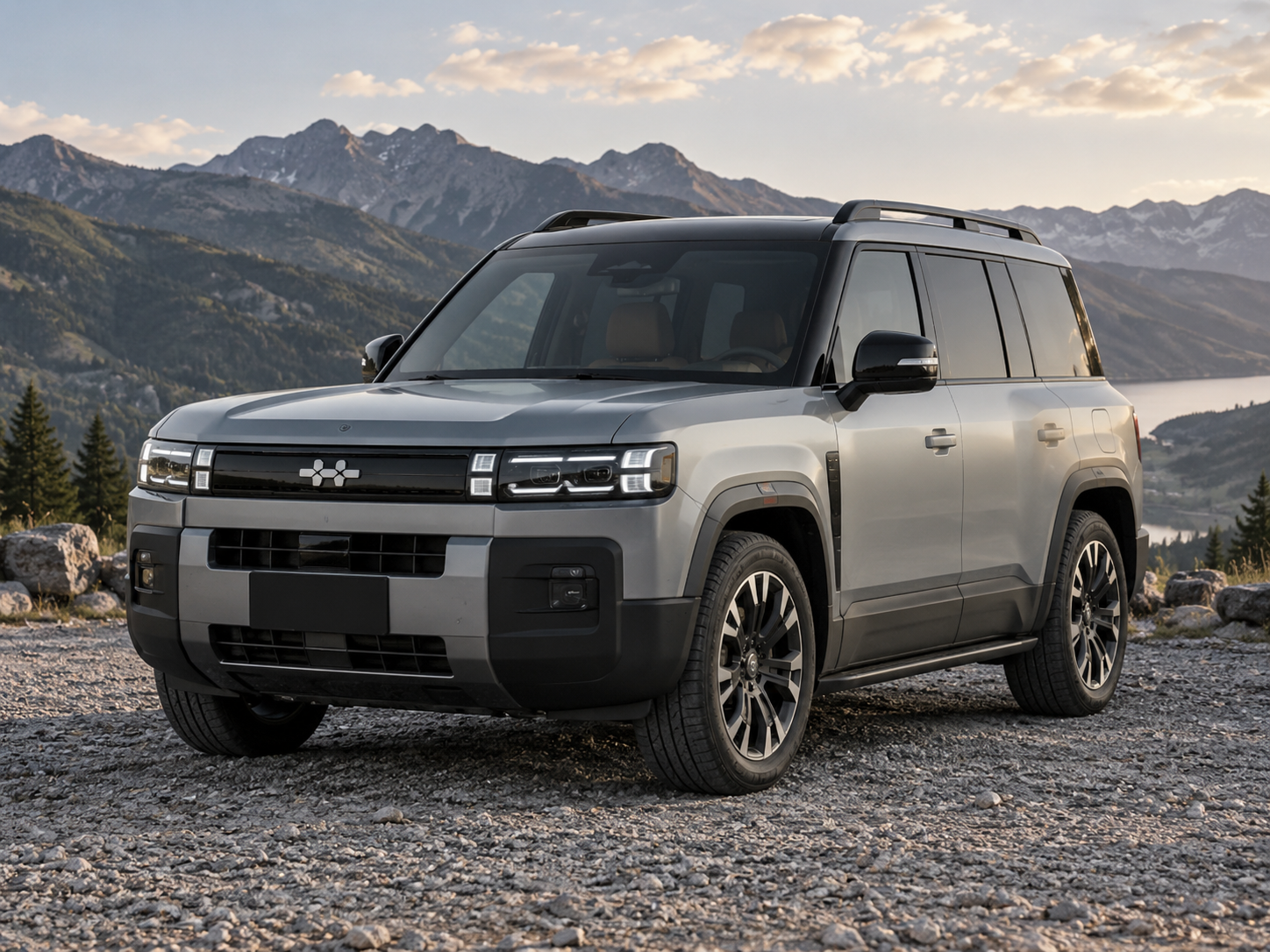
The Fangchengbao Ti7 190km 4WD Ultra sits in a particularly export-friendly part of China’s new-energy market: it combines meaningful electric-only range with a gasoline engine, four-wheel drive and a large five-seat SUV body. That formula can appeal to second-hand buyers who want low-cost electric commuting but still need long-distance flexibility, rough-road capability or access to fuel in areas where public charging is less developed. Why this configuration can work well as a used vehicle The Ti7 is not a pure battery EV, but that can be an advantage in many used-vehicle destinations. A 190 km CLTC electric range is long enough to cover daily city use for many drivers, while the engine removes much of the long-distance charging anxiety. Four-wheel drive and the boxier SUV format also broaden the customer base to outdoor, family and light off-road use cases. The second-hand opportunity The 190km 4WD Ultra entered the market in September 2025, so 2026 is the period when more one-year-old units can start appearing in trade-in channels. Owner reports are anecdotal rather than market-wide evidence, but they repeatedly highlight acceleration, all-weather traction, cabin space and outdoor versatility. For exporters, these are useful selling points because they translate easily across markets and do not depend on a local premium-charging ecosystem. Used-EV / Export Watch: Check local PHEV tax treatment carefully. Some countries offer EV incentives only to full battery-electric vehicles, while others classify plug-in hybrids separately. Also verify fuel-system, emissions, charging-port and software requirements before purchasing stock for export.
Blog takeaway: The Ti7 190km 4WD Ultra is a strong example of a Chinese PHEV that can make practical sense in the secondary market. Its combination of long electric commuting range, four-wheel drive and familiar fuel backup may help it travel well beyond China as used inventory expands.