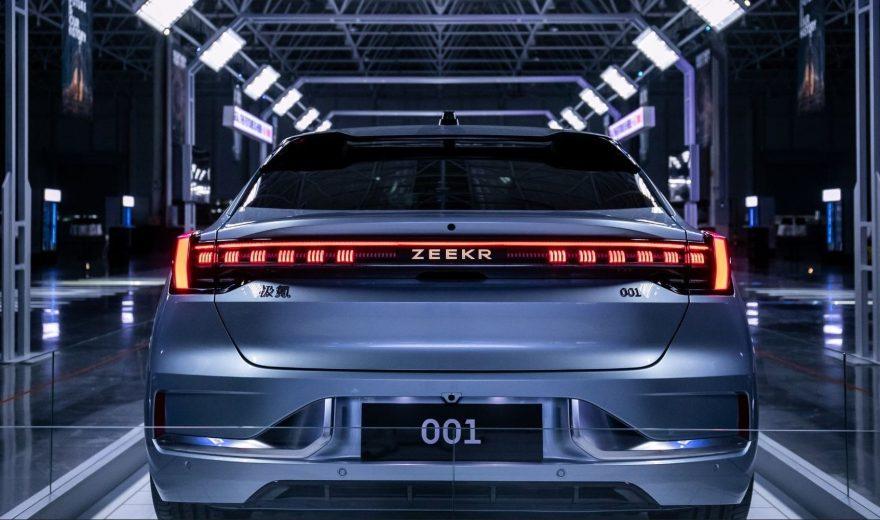
Why premium Chinese EVs attract international attention Chinese premium EVs increasingly combine distinctive exterior design, spacious digital interiors and advanced charging or driver-assistance hardware. Models such as the XPENG G9, BYD Seal and ZEEKR 001 provide a useful lens for evaluating used-vehicle opportunities. Each occupies a different buyer proposition: large SUV comfort, executive electric sedan value, and performance-oriented premium fastback. International appeal does not by itself establish profitable export demand. Buyers must distinguish a desirable model from a vehicle that can be legally registered, easily charged and reliably serviced in the destination country. For a premium used EV, loss of connected features or a warranty that cannot be honored abroad can materially reduce its appeal. Vehicle-level evaluation comes before marketing Exporters should capture the exact model designation, production date, VIN, high-voltage battery chemistry and capacity, state of health, accident history, odometer evidence and high-voltage system fault codes. They should also document charging inlet type and standards support, onboard charger characteristics and any battery-related service campaigns. Never advertise an unverified range figure as guaranteed real-world performance. Manufacturer figures may be reported under CLTC, WLTP or other cycles and should be labelled. Compare like with like when discussing energy consumption or used-battery condition. The European regulatory and servicing hurdle EU member states impose technical approval, registration and fiscal requirements that vary by transaction type and country. The existence of an EU-marketed version does not automatically grant approval to a Chinese domestic-market vehicle. China-origin vehicle tariffs for new BEVs also should not be carelessly assumed to apply identically to every used-vehicle classification or import arrangement; obtain an up-to-date binding classification and professional customs advice. Connected software adds an additional layer. Navigation data, region-restricted apps, over-the-air updates, manufacturer accounts, emergency-call capability, radio frequencies and local service access can vary significantly by market. Dealers need written service arrangements and a clear disclosure package before taking deposits. Pricing strategy and the right target markets A robust offer should be priced from landed and road-legal cost backward, with realistic allowances for port fees, duty, VAT or local taxes, homologation, transport, diagnostic checks, warranty reserve, marketing and dealer margin. Exporters should compare their final retail price against locally available used vehicles of similar age, condition and specification. Developing a repeatable B2B proposition may be more valuable than finding one unusually cheap car. Standardised inspection files, genuine photo sets, transparent grade descriptions, parts sourcing and written delivery responsibilities help overseas partners assess stock consistently. How to turn an industry blog into qualified enquiries A useful product landing page should show actual inventory photographs rather than press photos, VIN-obscured records where appropriate, independent battery data, first-registration date, mileage, available export documents, incoterms and a clear indication of market specification. An inquiry form can collect destination country, importer status, quantity, preferred models and desired delivery terms. Premium vehicles can attract attention, but the strongest sales argument is a documented, legally deliverable unit backed by credible aftersales support. The same discipline should guide product selection whether the customer is in Western Europe, Eastern Europe or the Middle East.
Insights
Exporting Used Chinese Premium EVs: Opportunities and Risks in 2026
It explores opportunities and risks for exporting pre-owned premium Chinese EVs in 2026